
Check Washing: The Old Scam Making a Big Comeback
Stories from the Stacks Blog
Jul 28, 2026
Most of us think of check fraud as something from years ago.
With online banking, mobile deposits, and digital payment apps becoming more common, it might seem like paper checks are becoming a thing of the past. Unfortunately, scammers haven’t forgotten about them.
In fact, financial institutions and law enforcement agencies across the country are reporting an increase in check washing, a form of fraud that can turn an ordinary check into a costly financial headache.
The good news? Understanding how the scam works can help you better protect your accounts and your personal information.
What Is Check Washing?
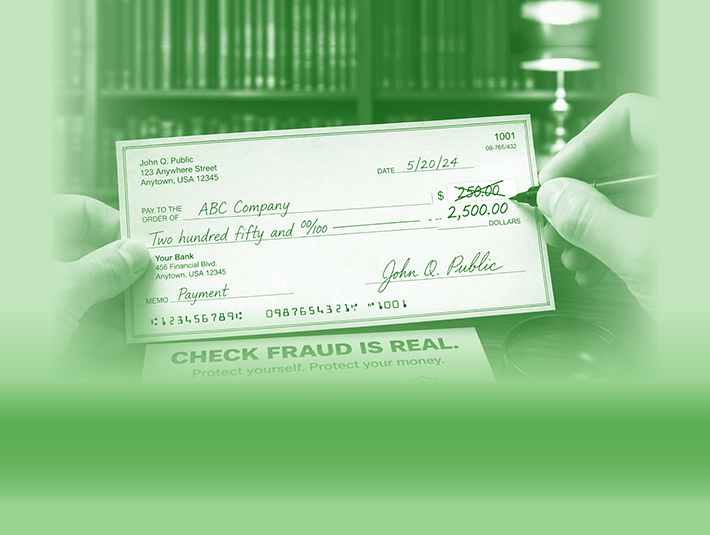
Check washing is a type of fraud where criminals steal a paper check and use chemicals to remove, or “wash” the ink from the check. Once the original information has been erased, they rewrite the check with a different payee, a larger dollar amount, or both before attempting to cash or deposit it.
Although the altered check may look legitimate, it is no longer the payment you originally intended to send.
It Often Starts with Mail Theft
One of the biggest misconceptions about check washing is that it begins with chemicals. More often, it begins much earlier, with mail theft. Criminals may steal checks from residential mailboxes, community mailboxes, or even outgoing mail before the check ever reaches its intended recipient.
Once they have the check, they may alter it through check washing or use the account and routing numbers printed on the check to commit additional fraud. That’s why protecting your mail can be just as important as protecting your online accounts.
Why Are Criminals Interested in Paper Checks?
A paper check contains more than a payment. It may also include:
- Your name and address
- Your bank routing number
- Your account number
- Your signature
Combined, that information can provide scammers with valuable details that may be used in additional fraud attempts.
While many payments are now made electronically, checks are still commonly used for rent, contractors, charitable donations, school activities, and other important expenses, making them an attractive target.
Five Ways to Help Protect Yourself
While no single precaution can eliminate fraud, a few simple habits can significantly reduce your risk.
- Use a Gel Pen When Writing Checks
Gel ink (blue or black ink) is generally more difficult to remove than standard ballpoint ink, making checks harder to alter through check washing. - Mail Checks Securely
Whenever possible, mail checks from your local Post Office or an official USPS collection box rather than leaving them in an unsecured residential mailbox for pickup. - Monitor Your Accounts Regularly
Review your account activity frequently so you can quickly spot unauthorized transactions or altered checks. Many financial institutions also offer account alerts that can notify you of activity as it happens. - Consider Electronic Payments When Appropriate
For recurring bills or trusted businesses, secure electronic payment options may reduce the need to mail paper checks. Choose the payment method that best fits your needs and comfort level. - Report Suspicious Activity Immediately
If a check is lost, stolen, or appears to have been altered, contact your financial institution as soon as possible. Acting quickly may help limit additional fraud and protect your account.
A Good Reminder
Like many scams, check washing succeeds because criminals look for opportunities. Something as simple as an outgoing check sitting overnight in a mailbox can create that opportunity. Taking a few extra moments to think about how and where you send checks can go a long way toward protecting your finances.
At LCFCU, helping members stay informed about evolving scams is part of how we protect our community. If you notice unusual account activity, believe a check has been stolen, or have questions about protecting your accounts, contact LCFCU directly. We’re here to help you navigate potential fraud with confidence.