

Different Life Stages, Different Scams: What to Watch For
Stories from the Stacks Blog
Jun 30, 2026
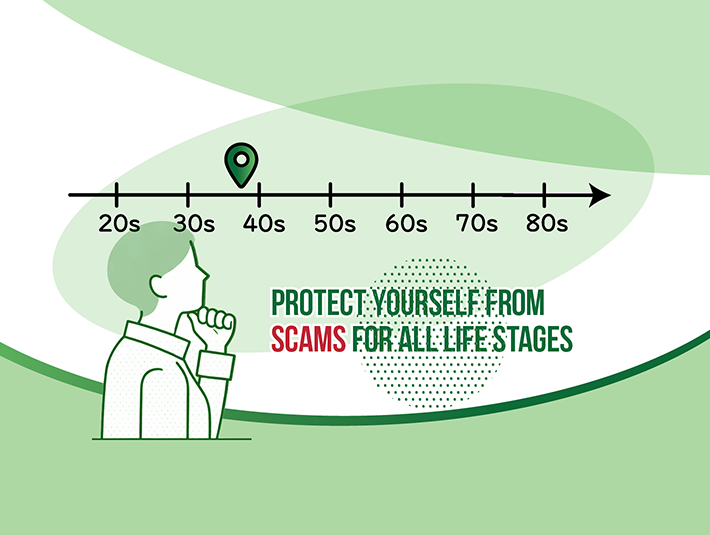
Scammers do not use the same tactics on everyone, at every life stage.
The way a scam shows up often depends on how someone communicates, spends money, uses technology, or makes financial decisions. These days, anyone r may see a scam through social media, a payment app, or an online marketplace. Another common groups of scams include a fake delivery text, invoice, or account alert. And some scams even target someone by pretending to be from the government, a tech company, a gaming company, a financial or investment institution, a romantic partner or even a family member in trouble.
The details may look different, but the goal is usually the same: get someone to act quickly before they have time to stop and check.
Common Scams by Age and Life Stage
Younger members may be more likely to run into scams when they are looking for their first job, first apartment, or during other life events. . These can include fake job offers, “easy money” investment opportunities, rental scams, phishing texts, fake profiles, or requests to send money through an app.
Busy adults and established households may be targeted with scams that look like routine messages. These may include fake bank or credit union alerts, delivery notifications, subscription renewals, fake invoices, tax scams, wire transfer scams, or investment offers.
Mature members and retirees may be targeted through grandparent scams where a younger family member seems to have had an emergency, Medicare or health insurance scams, or investment scams.
No matter the age group or life stage you are, urgency is one of the biggest red flags. Be careful if someone asks you to send money right away, share a code, click a link, move money to a “safe” account, buy gift cards, send cryptocurrency, or keep the conversation private.
Warning Signs at Any Age
Scams may look different, but many of the warning signs are the same. Pause before responding if someone:
- Pressures you to act immediately
- Asks for payment by gift card, wire transfer, cryptocurrency, or payment app
- Tells you not to tell anyone
- Requests your password, PIN, one-time code, or account number
- Sends a link and asks you to log in
- Threatens arrest, account closure, or legal action
- Says you won a prize but must pay a fee first
- Makes an offer that sounds too good to be true
When in doubt, contact the company, agency, or financial institution directly using a phone number, website, or secure channel you already know is legitimate. Do not use the contact information provided in a suspicious message.
Talk About Scams Before There Is a Crisis
Fraud prevention is easier when families talk about scams before something happens. Anyone can be targeted, and there should be no shame in asking for a second opinion. A simple family agreement can help:
“If either of us gets a strange message, urgent call, or request for money, we’ll check with each other before doing anything.”
That small pause can help protect accounts, personal information, and peace of mind.
The Bottom Line
The safest first step is usually the same: slow down and check before acting.
If something feels rushed, secretive, threatening, or too good to be true, take a moment before responding. And when you are unsure, reach out through a trusted source. You do not have to figure it out alone.
At LCFCU, member security education is about more than recognizing scams. It is about helping members and their families feel informed, prepared, and supported when something does not feel right.